
The evolutionary history of eukaryotes is tightly linked to endosymbiosis and sexual reproduction. Not only was the evolution of eukaryotic life facilitated by the acquisition and vertical inheritance of intracellular microbes, but intracellular symbionts, organelles, and pathogens continue to sculpt the evolutionary trajectories of eukaryotes broadly. In insects and other arthropods, there is an abundance of recently acquired endosymbionts that have evolved mechanisms for altering host sex and reproduction. Approximately half of all insects are infected with one such bacterium: Wolbachia. Despite how common Wolbachia is, we know relatively little about the mechanisms by which Wolbachia establishes infection in insects and alters their biology and evolutionary trajectories.
Causes and Consequences of Asexual Reproduction
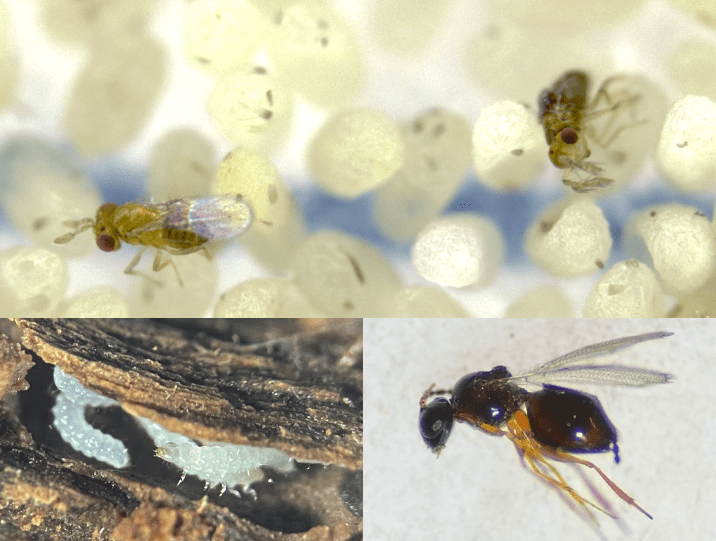
Sexual reproduction is ancient and generally advantageous. Despite this, many eukaryotes have reverted to asexual reproductive strategies. This transition has huge evolutionary impacts: we see regular examples of this in the rapid spread of invasive, pathogenic, and drug-resistant organisms. Unfortunately, such transitions are notoriously difficult to mechanistically interrogate due to their lack of experimental tractability. However, arthropods are rich in recently acquired vertically inherited microbes (e.g., Wolbachia, Rickettsia, and Cardinium) that convert their hosts to asexual reproduction. So-called “parthenogenesis induction” has been reinvented multiple times across these bacteria and relies on microbial mechanisms for impacting host meiosis or mitosis. We can manipulate these recently asexual lineages in the lab to mechanistically define the cell biology of asexual reproduction, and combine these experiments with surrogate genetic systems such as Drosophila and yeast. Furthermore, because there are numerous independent transitions to microbe-mediated asexuality, and lineages will slowly undergo a loss of sexual function, we can use this system to track the genomic and mechanistic consequences of lost sex.
Infection Dynamics of Reproductive Manipulators
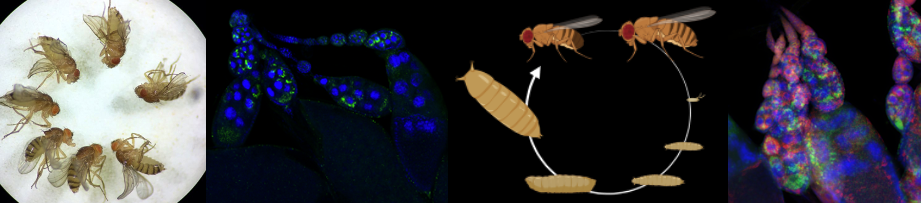
Vertically inherited intracellular reproductive symbionts, such as Wolbachia, need to navigate a suite of challenges to ensure transmission and manipulate their host. In addition to using the Drosophila model as a surrogate system, we use the Drosophila–Wolbachia relationship to uncover fundamental aspects of host-microbe interactions. Current projects include (1) understanding how Wolbachia alters, responds to, and navigates host development and metabolism, and (2) transmission dynamics of multiple co-occurring Wolbachia infections.
Collaborations
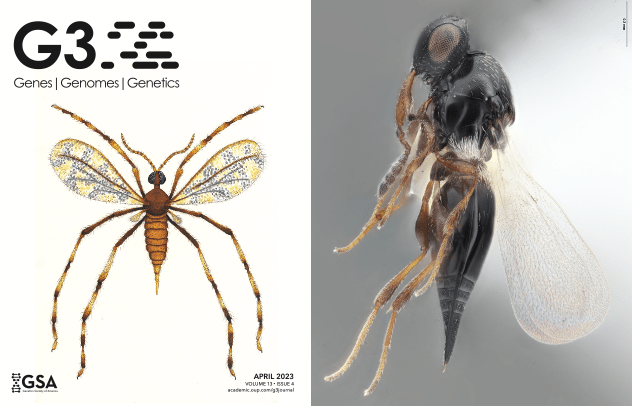
We love creative research approaches for hard-to-work with insects (particularly parasitoids!), which has lead to a number of fruitful collaborations. These projects have been mostly related to parasitic wasps, molecular screening, and genomics.
 Lindsey Lab @ UMN